

Best AI Tools 2026 to Grow Your Business Faster
In 2026, the application of AI technology has transformed the way businesses operate, making business processes faster and more efficient. For instance, AI technologies such as chatbots help businesses engage with customers by providing instant responses to their queries, while content generators enable businesses to create high-quality content—such as blogs and advertisements—in significantly less time.
For example, AI-based analytics tools provide deep insights into customer behavior, empowering businesses to make more informed decisions that can lead to increased sales. Furthermore, automation tools streamline tasks such as email marketing, lead generation, and inventory management.
By integrating the right AI tools into their workflows, any company can boost its productivity, deliver superior customer experiences, and maintain a competitive edge. In today's digital era, adopting AI is not merely a necessity for rapid growth and success; it is a strategic imperative for any business.
Why AI Tools Are Essential for Business Growth:
In today's digital business landscape, AI tools have emerged as a powerful engine for growth. By automating repetitive tasks, these tools save both time and money. Moreover, AI facilitates better decision-making through data analysis, enabling businesses to achieve faster and smarter growth. Customer experiences are enhanced, productivity increases, and maintaining a competitive advantage becomes significantly easier.
1. Automation of Repetitive Tasks
AI tools automate daily, repetitive tasks such as data entry, responding to emails, and scheduling. This reduces the workload on employees, allowing them to focus on critical tasks. Consequently, both overall operational efficiency and workflow speed are significantly improved.
2. Better Decision-Making
By analyzing vast amounts of data, AI provides accurate and actionable insights. This empowers business owners to make smarter, more informed decisions. Consequently, risks are minimized, and the potential for increased profitability is enhanced.
3. Enhanced Customer Experience
AI-powered chatbots and support systems handle customer inquiries around the clock (24/7). Customers receive instant responses, which helps build trust and foster loyalty. Satisfied customers form the true foundation for repeat business and sustained growth.
4. Cost Reduction
AI tools reduce reliance on manual labor and minimize the likelihood of human error, thereby lowering operational costs. Automation also reduces the need to hire additional personnel. In the long run, this leads to an improvement in the business's profit margins.
5. Personalized Marketing
By tracking customer behavior, AI delivers personalized advertisements and product recommendations. This boosts conversion rates and makes marketing campaigns significantly more effective. Each customer receives content that is highly relevant and tailored specifically to their preferences.
6. Increased Productivity
AI tools empower employees to work faster and more intelligently. Time-consuming tasks are completed more rapidly, leading to a substantial increase in the overall productivity and performance of the entire team.
7. Competitive Advantage
Businesses that adopt AI gain a distinct edge in the marketplace. By leveraging cutting-edge technology, they are able to deliver services more quickly and achieve superior results—thereby securing a strong competitive advantage over their rivals.
How to Choose the Right AI Tool in 2026
1. Define Your Business Needs
First and foremost, clarify exactly why you need an AI tool—whether it is for marketing, automation, or customer support. Having a clear objective will make choosing the right tool significantly easier for you.
2. Evaluate Features and Functionality
Every AI tool possesses a unique set of features; therefore, compare them based on your specific requirements. Do not simply choose a tool just because it is trending; instead, select the tool that effectively addresses your specific business tasks—that is truly the best option.
3. Ease of Use
The tool should be user-friendly so that you and your team can easily understand and utilize it. Complex tools can end up wasting time rather than boosting productivity.
4. Integration with Existing Systems
Ensure that the AI tool integrates seamlessly with your existing software or systems. Easy integration streamlines your workflow, making it faster and more efficient.
5. Budget and Pricing
The cost of each tool varies, so make your selection based on your allocated budget. It is a prudent decision to test a tool before making any final commitment—whether through a free trial or a demonstration.
6. Data Security and Privacy
Data security is paramount when using AI tools, particularly when dealing with sensitive business data. Opt only for trusted and secure platforms that guarantee the safety and protection of your data.
Get Free Consultation Within Minutes
Popular Post
Android Training: Complete Guide to Learning Android App Developmentin 2026
Web Design and Development Course in Jaipur
What Is SEO? The Complete 2026 Guide to Search Engine Optimization
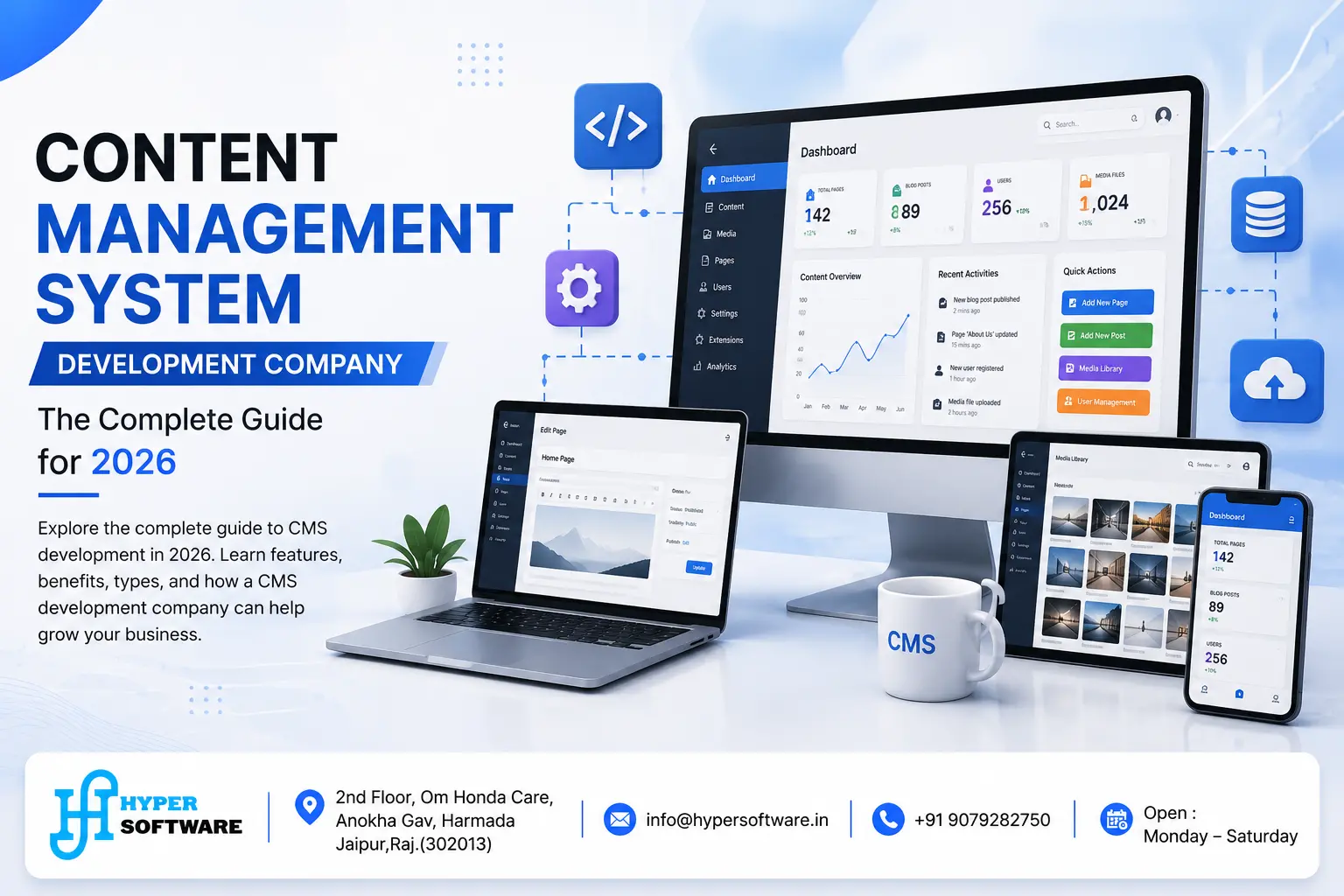
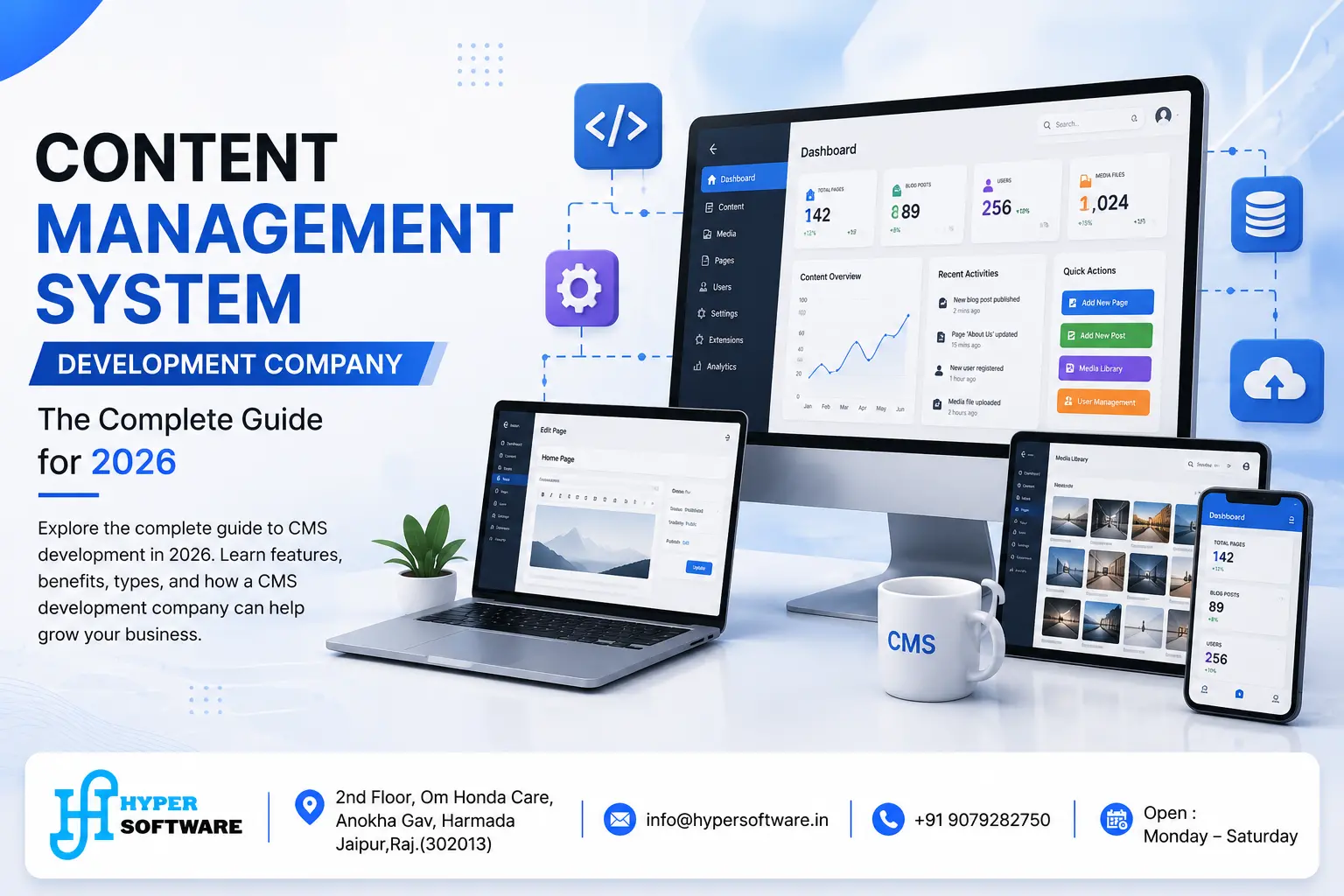
Content Management System Development Company: The Complete Guide for 2026

Domain Hosting: The Complete Guide to Choosing, Buying and Managing It (2026)