

How To Learn PHP

It is one of the most widely used languages for building dynamic and interactive websites. PHP code is executed on the web server, generating HTML that is then sent to the user's web browser, allowing the server to dynamically create web pages.
Use of PHP:
- Generating dynamic HTML content
- Interacting with databases
- Creating web applications
- Sending and receiving emails
- Encrypting and decrypting data
- Processing forms
- Managing sessions
Benefits of PHP:
- Free and open-source: PHP is free to use and download, and its source code is available for anyone to modify. This means that there is a large community of developers who are constantly creating new plugins and libraries for PHP.
- Easy to learn: PHP is a relatively easy language to learn, even for people with no prior programming experience. The syntax is similar to that of other popular programming languages like C and Java.
- Powerful: PHP is a powerful language that can be used to do a wide variety of things. It is especially well-suited for web development, as it allows you to create dynamic content that is not static.
- Widely supported: PHP is a widely supported language, and it is available on most web servers. This means that you can easily deploy your PHP applications to a wide variety of hosting providers.
If you want to learn PHP, there are many resources available online. The PHP website has a comprehensive tutorial that can teach you the basics of the language. There are numerous books and online courses accessible.
Features of PHP:
Server-Side Scripting: PHP is a server-side language, meaning it runs on the web server, not on the user's browser. It processes the code and sends the resulting HTML to the client's browser, allowing for dynamic content generation.
Open Source: PHP is an open-source language, which means it is freely available and continually developed and improved by a large community of developers worldwide.
Cross-Platform Compatibility: PHP is compatible with various operating systems, including Windows, macOS, Linux, and others, making it highly versatile and accessible.
Embedded in HTML: PHP code is embedded directly into HTML pages, allowing developers to intersperse PHP with regular HTML, making it easy to combine dynamic content with static elements.
Extensive Library Support: PHP has a rich set of built-in functions and also supports numerous libraries, frameworks, and extensions, which can be used to simplify common web development tasks and speed up the development process.
Database Connectivity: PHP offers built-in support for various databases like MySQL, PostgreSQL, SQLite, and more, making it easy to interact with databases and handle data on the web server.
Server Compatibility: PHP works well with web servers like Apache, Nginx, and Microsoft's Internet Information Services (IIS), making it easy to integrate with existing server setups.
Popular Content Management Systems (CMS): PHP is the language behind many widely used CMS platforms like WordPress, Joomla, Drupal, and others.
PHP has seen widespread adoption due to its ease of use, flexibility, and robust community support. It continues to be a dominant force in web development, powering a significant portion of the internet's websites and applications. However, it's worth noting that as technology evolves, other languages like Python, Node.js, and Ruby have also gained popularity for web development, but PHP remains a crucial and relevant choice for many projects.
Get Free Consultation Within Minutes
Popular Post

Android Training: Complete Guide to Learning Android App Developmentin 2026
Web Design and Development Course in Jaipur
What Is SEO? The Complete 2026 Guide to Search Engine Optimization
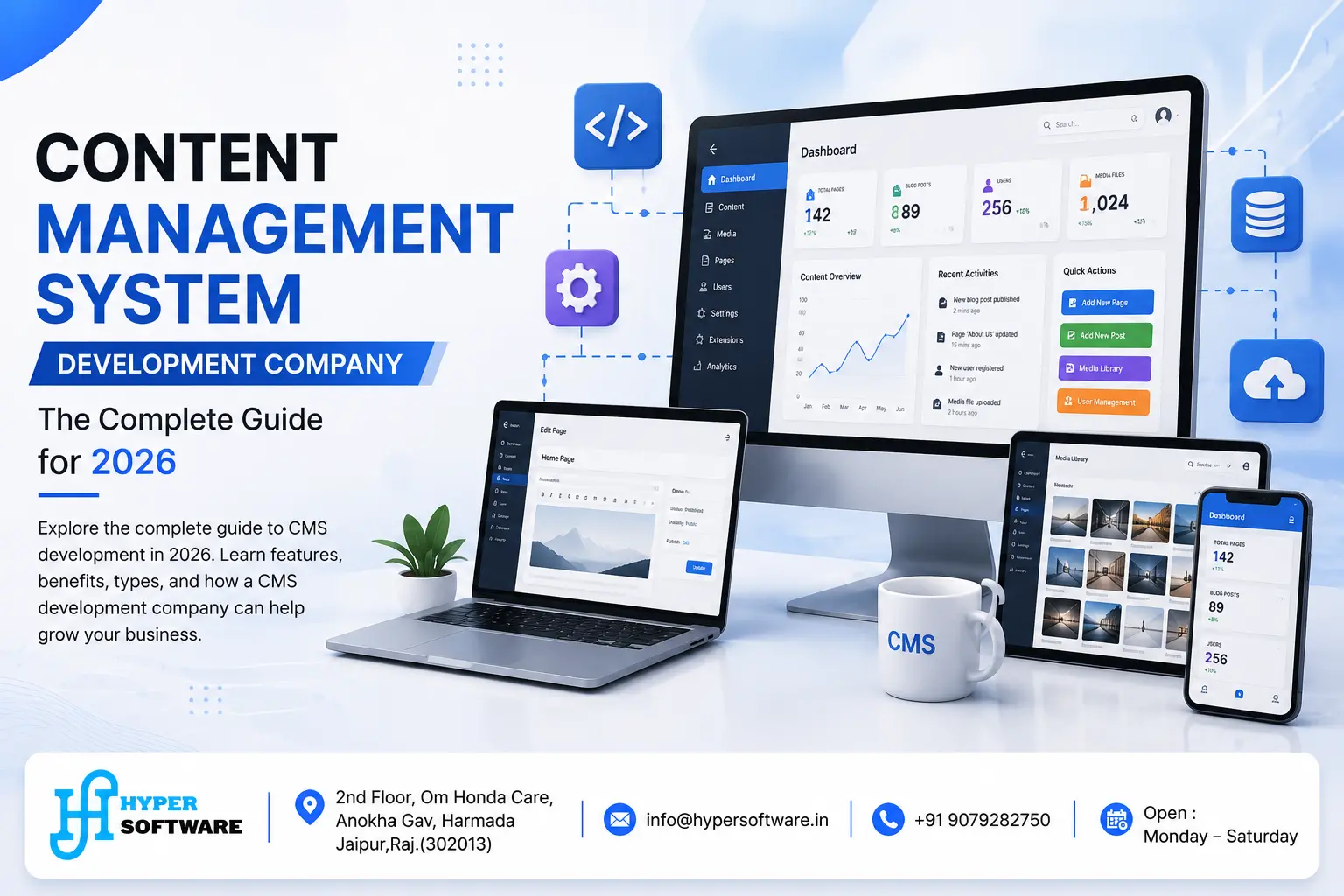
Content Management System Development Company: The Complete Guide for 2026

Domain Hosting: The Complete Guide to Choosing, Buying and Managing It (2026)